

SIDS through experts’ eyes
Sudden Infant Death Syndrome is every parent’s nightmare. It is an infant death known as “crib death”. It comes unexpectedly, without any symptoms or warning signs. It affects children between the 2nd and 4th month of life, yet the cause of its occurrence remains unknown to this day.
Sudden Infant Death Syndrome, known as SIDS, is the sudden and unexpected death of a baby during sleep in a crib. In Slovakia this diagnosis is rare and the incidence of cases is falling below 0.2‰, yet it is still essential to remain as cautious as possible. SIDS is a race against time in which every second counts.
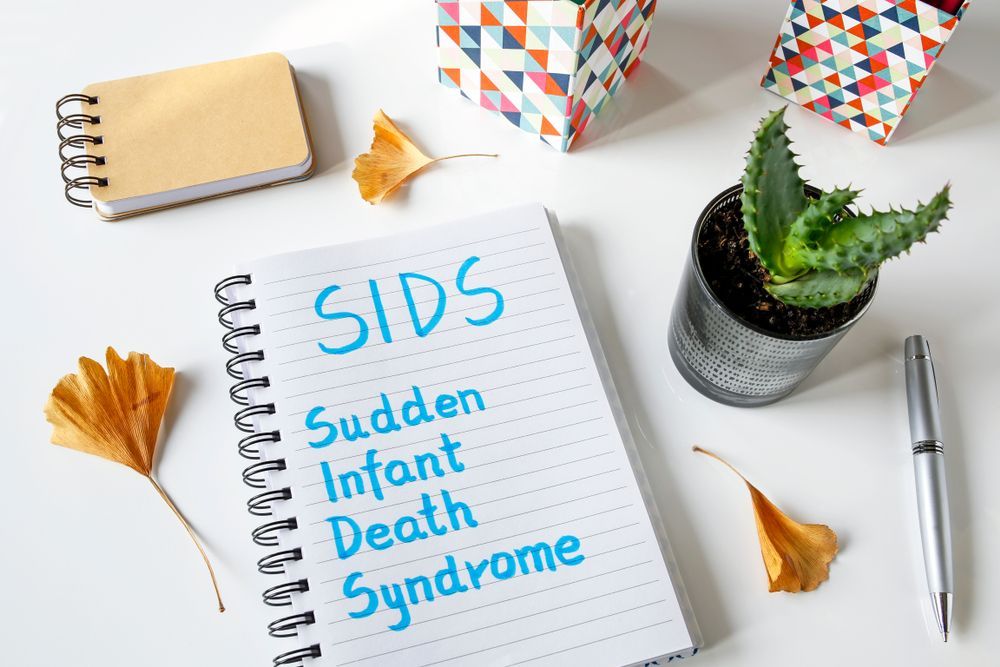
“Sudden Infant Death Syndrome (Sudden Infant Death Syndrome, i.e. SIDS) is the sudden death of a child associated with sleep that cannot be explained by a post-mortem examination. It is preceded by a life-threatening ALTE event (Apparent Life – Threatening Event), during which it is still possible to help the baby. In this state the baby is pale, sometimes even cyanotic, is not breathing, and we may observe floating eyeballs and weak muscle tone, which makes children in this state resemble rag dolls,” says paediatrician MUDr. Monika Michňová.
SIDS puts children under one year of age at risk
SIDS is a risk diagnosis for children under one year of age, but it most often affects infants between the 2nd and 4th month of life. And although neither the reason nor the cause of SIDS is known, age does not appear to be the only decisive factor: “It is assumed that SIDS has a multifactorial origin. In Slovakia, for example, there is a higher incidence of SIDS among Roma and in families with poorer social conditions. Several cases, however, also come from smoking households or families where mothers were younger and children had a lower birth weight,” Michňová outlines possible risk factors.
Not all forms of SIDS are life-threatening. In some children they appear only as so-called apnoea pauses, which are a more subtle form of this dangerous syndrome.
Prevention is not only a breathing monitor
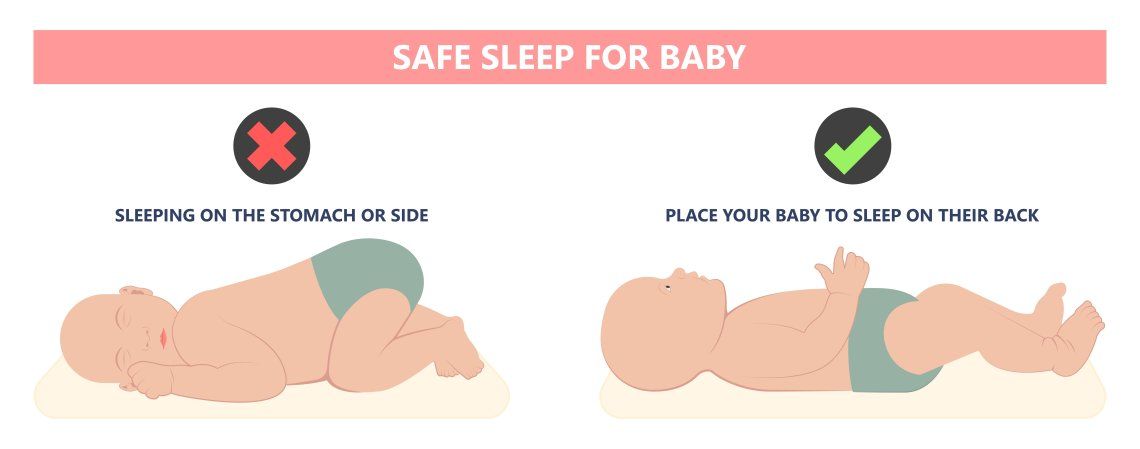
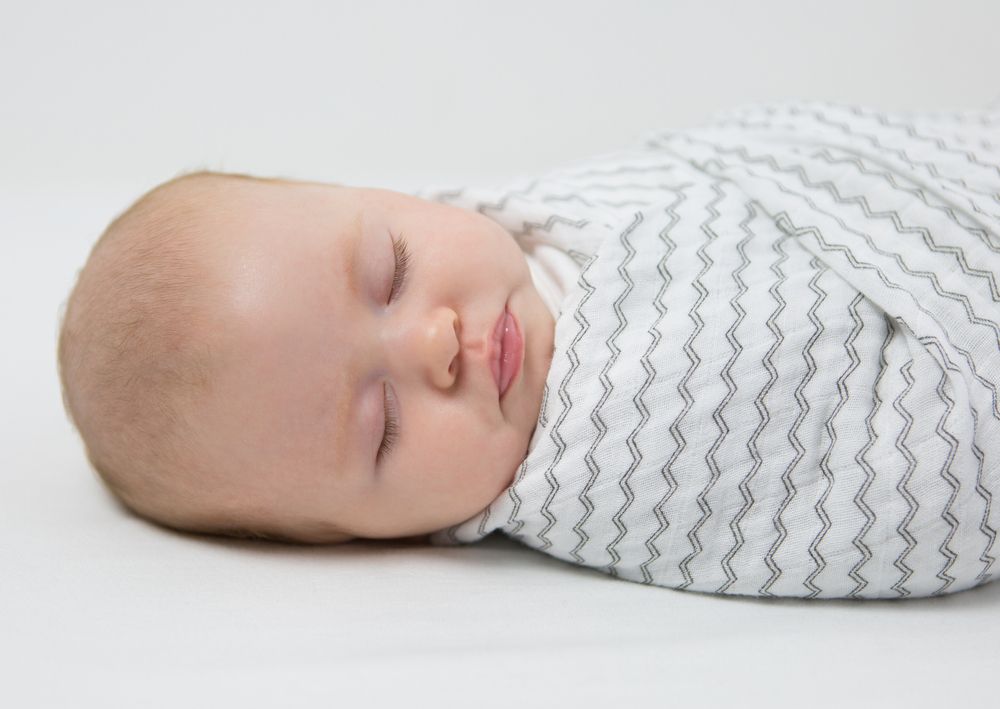
SIDS is an extremely unpredictable diagnosis, yet we know several measures that can reduce the risk of it occurring. “As part of prevention, the suitable sleep position for a baby is on the back. The baby should sleep in its own crib with a sheet firmly secured on a firmer mattress. The crib should be empty – without a pillow, blankets, or any toys or soft toys. An appropriate room temperature and a non-smoking environment are especially important, and a sleeping bag, breastfeeding, and the use of a breathing monitor are also beneficial,” the paediatrician points out.
A breathing monitor is a particularly practical aid against SIDS. It monitors the baby’s breathing and, if breathing suddenly stops, begins to emit a loud and piercing warning signal, giving parents the chance to respond to the problem in time.
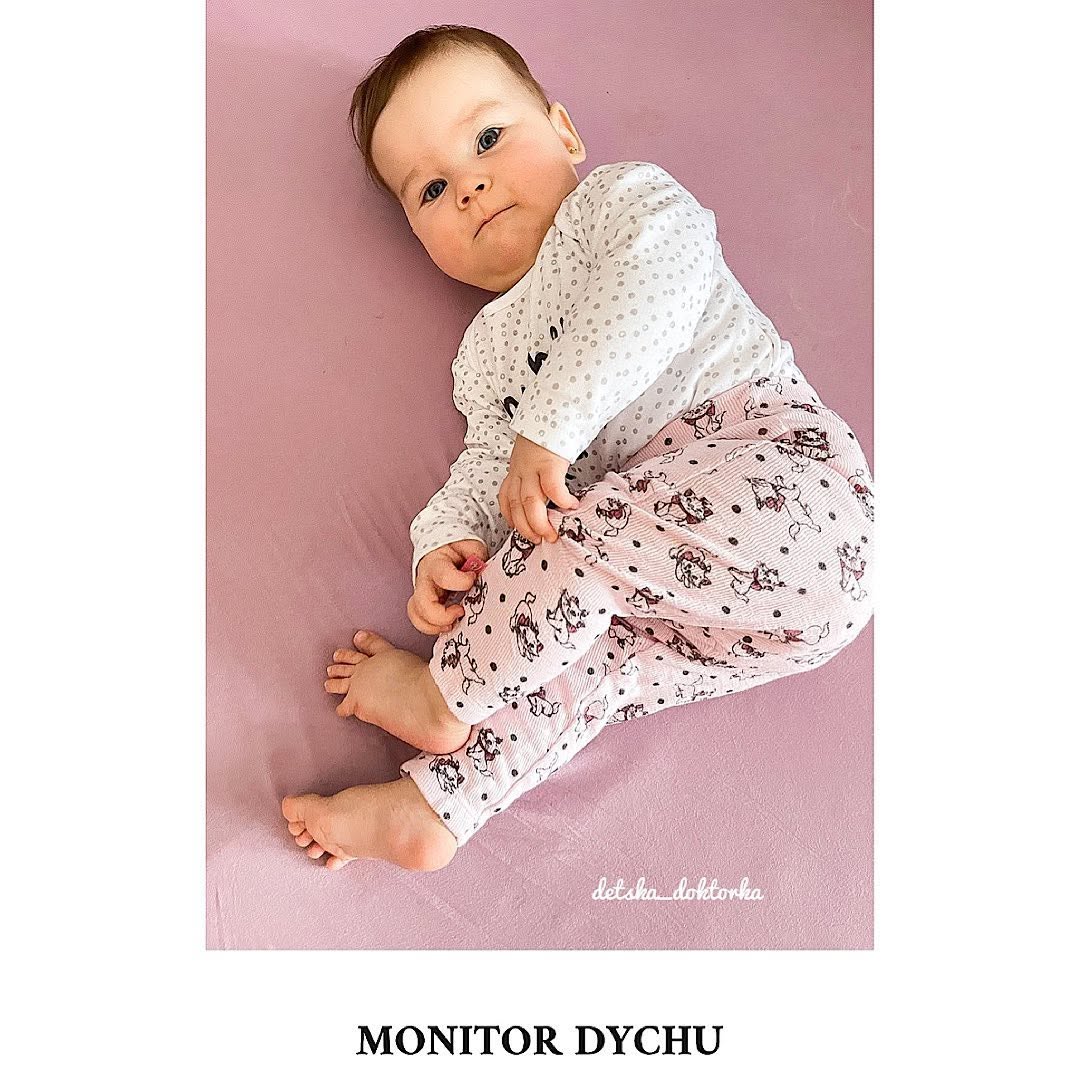
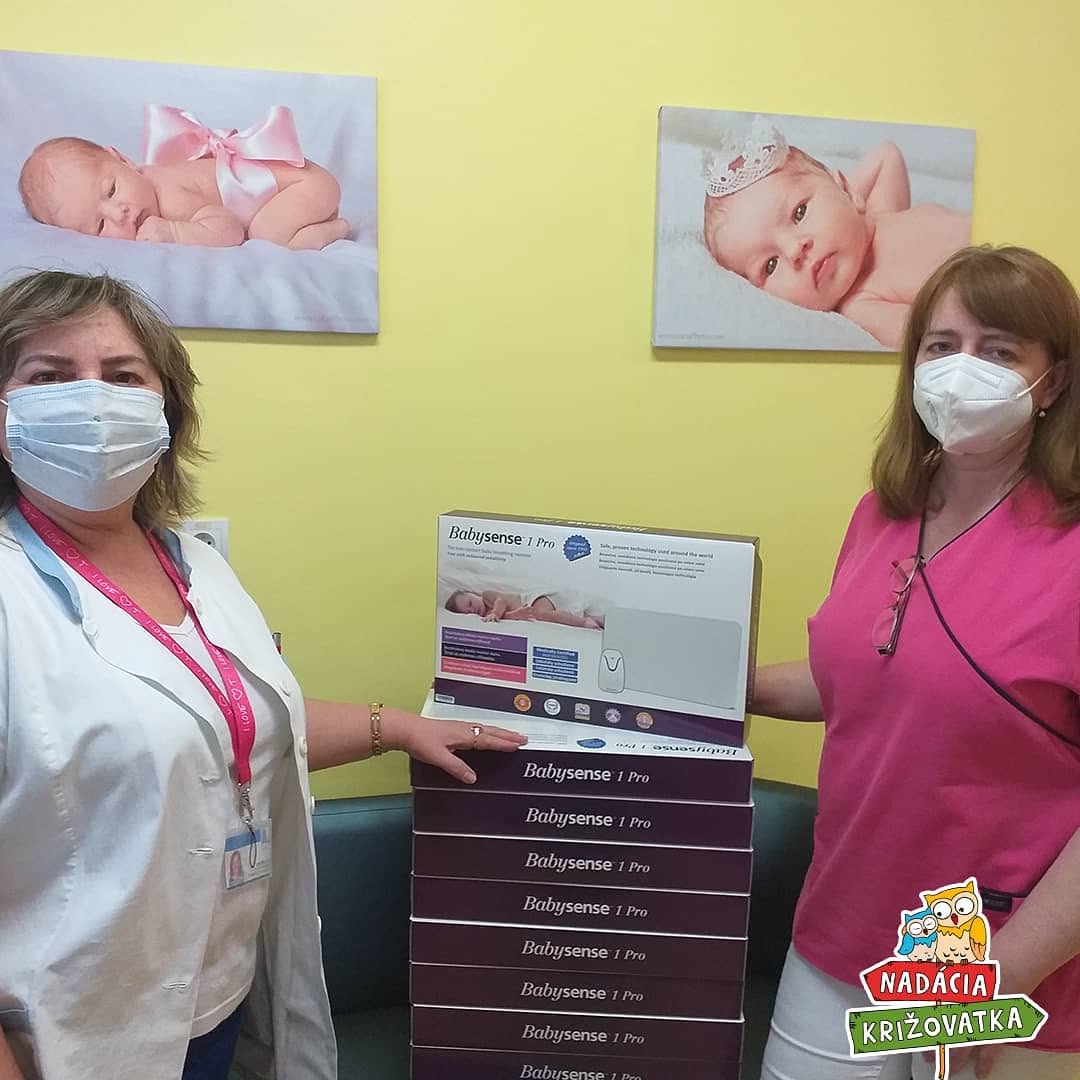
Most mothers today already know about the breathing monitor, even though there are still those who hear about it for the first time or simply cannot afford to buy one. That is why the non-governmental non-profit organisation Nadácia Križovatka, which has been operating in Slovakia since 2008, decided to raise awareness of how this medical aid works, as well as of SIDS itself.
In its project called “Mummy, I’m breathing”, the organisation strives to ensure that not only premium rooms but also all beds in maternity and neonatology departments in hospitals across Slovakia are equipped with breathing monitors. “As part of the project we also establish and operate rental locations that work at neonatal and maternity departments of Slovak hospitals. Thanks to them, parents can borrow a breathing monitor to take home when they leave the hospital, so even parents who do not have the money to buy a breathing monitor can sleep peacefully,” says Táňa Tomasch, director of Nadácia Križovatka.
What to do if an ALTE event occurs and SIDS is a threat?
If an ALTE event really does occur, the most important thing is to keep a “cool head” and respond correctly and promptly. “In such a case the baby needs adequate help by starting cardiopulmonary resuscitation,” Michňová stresses, “if adequate and, above all, rapid first aid is provided, children affected by this problem remain without lasting consequences.”
If, however, SIDS has already appeared once in a family, increased attention is necessary. Heightened caution and monitoring are needed for siblings of children who died of SIDS or who experienced an ALTE event. There is a real risk that if SIDS affected one of the children, it may also affect other children in the family. “The parents of these children should definitely use an apnoea monitor,” paediatrician Michňová advises in conclusion.
A mother’s true story
If the sound of a breathing monitor wakes you at night, try (even though it is hard) to keep a cool head and gather even the last scraps of composure. This is the moment when there is no time for panic, because the only thing you need is to fight for your child’s life!
The same experience was lived by Jana Malaga, founder of the Slovak content agency Content agency and today already a mother of two beautiful boys. The breathing arrest problem appeared in her older son Riško on the very third day after they returned home from the maternity hospital. “If the breathing monitor had not woken us at three in the morning, I don’t know how it would have ended…,” Jana Malaga says with gratitude in her voice.

Photo: Kristína Botlová
She herself admits that even though a breathing monitor was part of their newborn kit, she and her husband did not assign it any specially important role. “Together with my husband we saw the breathing monitor more as a practical use of technology. And although I considered everything that helps monitor a baby’s condition to be essential kit, I saw it more as a given. Other members of my family also used it with their children as part of the newborn kit, so I didn’t think about buying it at all. It would never have occurred to me in my wildest dreams that we would really need it,” says Janka, recalling in detail the night when she and her husband fought the enormous fear of losing their first-born son.
Neither of them will likely ever forget the moment when the piercing sound of the breathing monitor broke the silence of the night. The signal of a health problem came only on the third day after Janka and Riško returned home from the maternity hospital. “At three in the morning the breathing monitor signalled that Riško was not breathing,” recalls Jana Malaga.
The moment you hear the sound of a breathing monitor, however, there is no time or space to think about what is happening. You must act, and immediately! With a breathing arrest it is literally a matter of seconds, and the more promptly you respond, the greater the chance that you will save your baby.
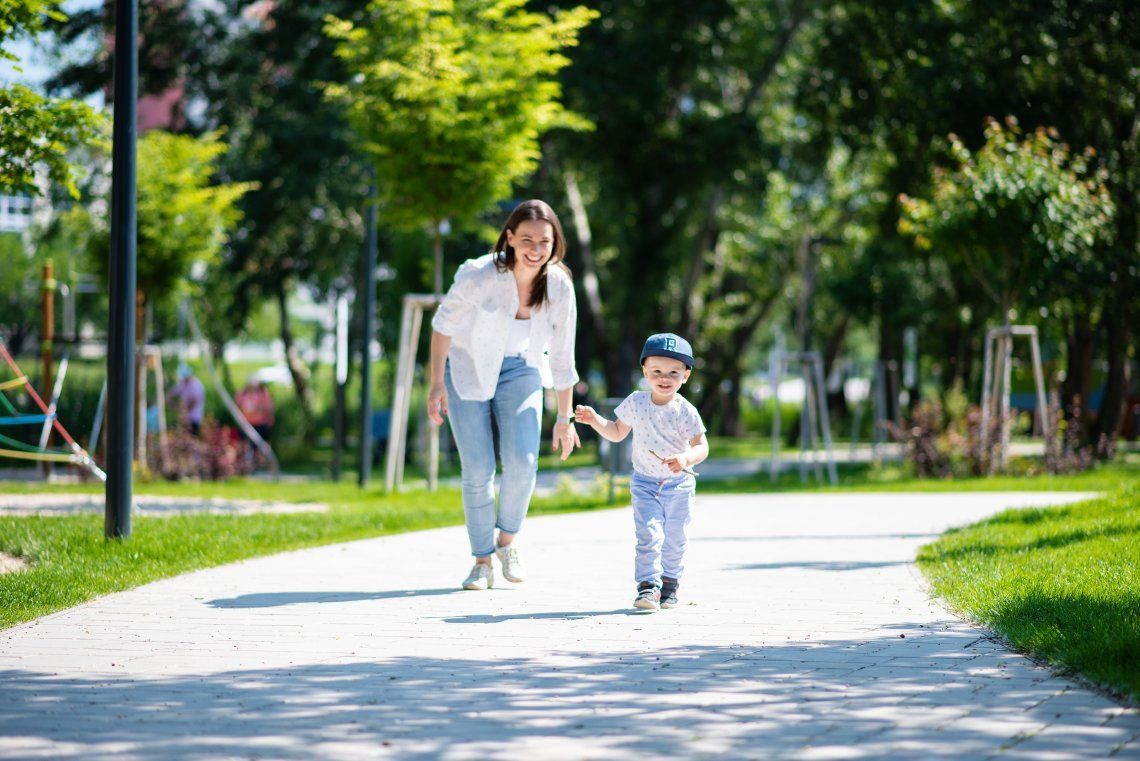
Photo: Kristína Botlová
“After the alarm went off, my husband and I ran straight to the crib. We tried to wake Riško with a raised voice and also with several sharper, vigorous shakes. (Only later did I read that this was not the correct first-aid technique). He immediately opened his eyes and then fainted again. After a short while we luckily managed to bring him round again, we started undressing him, opened the window, and Riško took another breath and began to cry. Luckily he was not yet purple, only completely white. Meanwhile my husband had already called the emergency medical service. After they arrived, one of the paramedics looked Riško over carefully and checked that everything was all right. We then went with them to the hospital, where Riško had all the necessary examinations. Luckily they all turned out well and Riško is still as healthy as a horse today. Since then we have used the breathing monitor even more carefully, including with our second son. I definitely recommend it to every mother, and especially to one who has had a premature birth. You never know when this simple device will start signalling that your child has stopped breathing,” adds Jana Malaga with gratitude for Riško’s health.

What else useful did Jana share with us?
 the breathing monitor starts emitting a signal 20 seconds after the pad no longer registers movements – breathing,
- the higher risk of SIDS is precisely in children born earlier, as was the case with Riško, who was born around the 36th–37th week of pregnancy not spontaneously but by section (caesarean),
- it is not advisable to push a crib with a breathing monitor up against the marital bed, because it picks up the parents’ micro-movements/breathing and therefore does not monitor the baby’s breathing reliably,
- a baby really does breathe very gently, and I learned to monitor him even while sleeping in a pram or car seat by feeling the pulse on the wrist,
- I only watched the CD and first aid for SIDS that came with the breathing monitor pad after this incident, and I realised that with my eager recklessness and stress behaviour I could have harmed Riško while giving first aid,
- some studies mention that if such an “incident” and the threat of SIDS occur, one should apparently also be cautious with a second baby.
Source: zenyvpohode.eu